
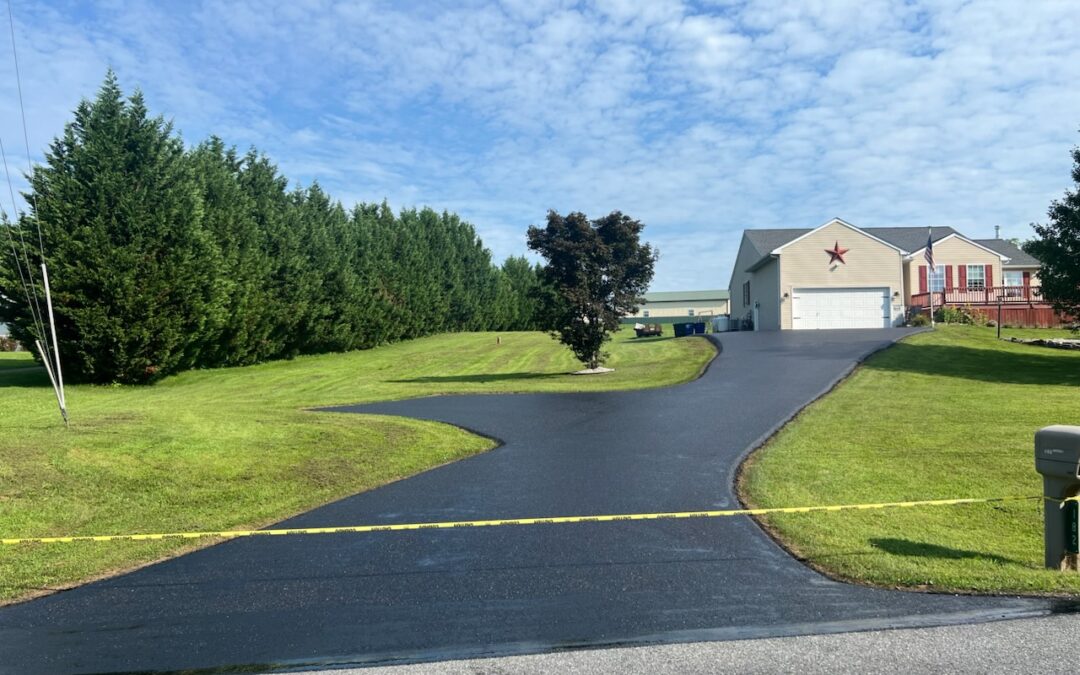
Asphalt is laid hot and needs warmth to compact and cure. Pave at the wrong time of year and the result suffers. Here is the best time to pave a driveway in Pennsylvania.
Quick answer: the best time to pave a driveway in Pennsylvania is late spring through early fall, roughly May through September, when temperatures are warm and the weather is dry. Asphalt needs warmth to lay and compact properly, so avoid winter and rainy stretches. Booking in spring beats the summer rush.
Key Takeaways
- Late spring through early fall is the sweet spot for paving in PA.
- Aim for warm, dry days above 50 to 60 degrees.
- Avoid winter, cold asphalt is hard to lay and compact well.
- Avoid paving right before or during heavy rain.
- Book early, contractors fill up fast in peak season.
Why Timing Matters for Asphalt
Asphalt is a hot material, and it needs heat to be worked correctly. It is laid at over 300 degrees and has to be spread and compacted before it cools too much. On a warm day, the crew has time to grade, lay, and roll it into a dense, smooth surface. In cold weather it stiffens too fast, which leads to poor compaction, a rougher finish, and a driveway that will not last as long.
The Ideal Paving Window in Pennsylvania
- Late spring (May, June): warm days, dry ground, and contractors are not yet fully booked.
- Summer (July, August): prime paving weather, though very hot afternoons need care so the surface does not stay soft.
- Early fall (September, into October): still warm enough, and a great time to get it done before winter.
- Winter: avoid it. Cold makes for poor results, and reputable crews will tell you to wait.
Book Early to Beat the Rush
Everyone wants their driveway done in the same few months. Paving crews fill up quickly once the weather turns, and peak-season demand can push out your start date by weeks. Getting on the schedule in early spring means you pave when conditions are ideal instead of settling for whatever slot is left. If you are planning a new driveway or a repave, reach out before the season heats up.
Frequently Asked Questions
What is the best month to pave a driveway?
In Pennsylvania, late spring through early fall is ideal, roughly May through September. Those months give warm, dry conditions for proper compaction and curing.
Can you pave a driveway in winter?
It is not recommended. Cold asphalt is hard to lay and compact, which leads to a rougher, shorter-lived surface. A good contractor will advise waiting for warmer weather.
What temperature is too cold to pave?
As a rule, paving results drop off once daytime temperatures fall below about 50 degrees, and cold ground makes it worse. Warm and dry is what you want.
Does rain affect paving?
Yes. Rain on fresh asphalt before it sets can wash away fine material and cause uneven hardening, so paving is scheduled around dry weather.
How long before I can use a new driveway?
Most passenger vehicles can drive on new asphalt after 48 to 72 hours in good weather. It keeps curing for months, so ease into heavy use.
About R. Stanley’s Paving
This guide was written by the crew at R. Stanley’s Paving, a licensed and insured asphalt contractor (PA Contractor License PA 003586) with over 25 years of hands-on paving, sealcoating, stoning, and repair experience across Leesport, Reading, and Berks County, Pennsylvania. The advice here comes from real driveways and lots we have built and maintained, not theory. Get a free estimate or call (610) 926-2731.
Ready to Get on the Schedule?
Beat the peak-season rush. R. Stanley’s Paving installs driveways across Reading and all of Berks County when conditions are right. Free estimates. Over 25 years, PA 003586.
